
What is a Yoga in Vedic Astrology?
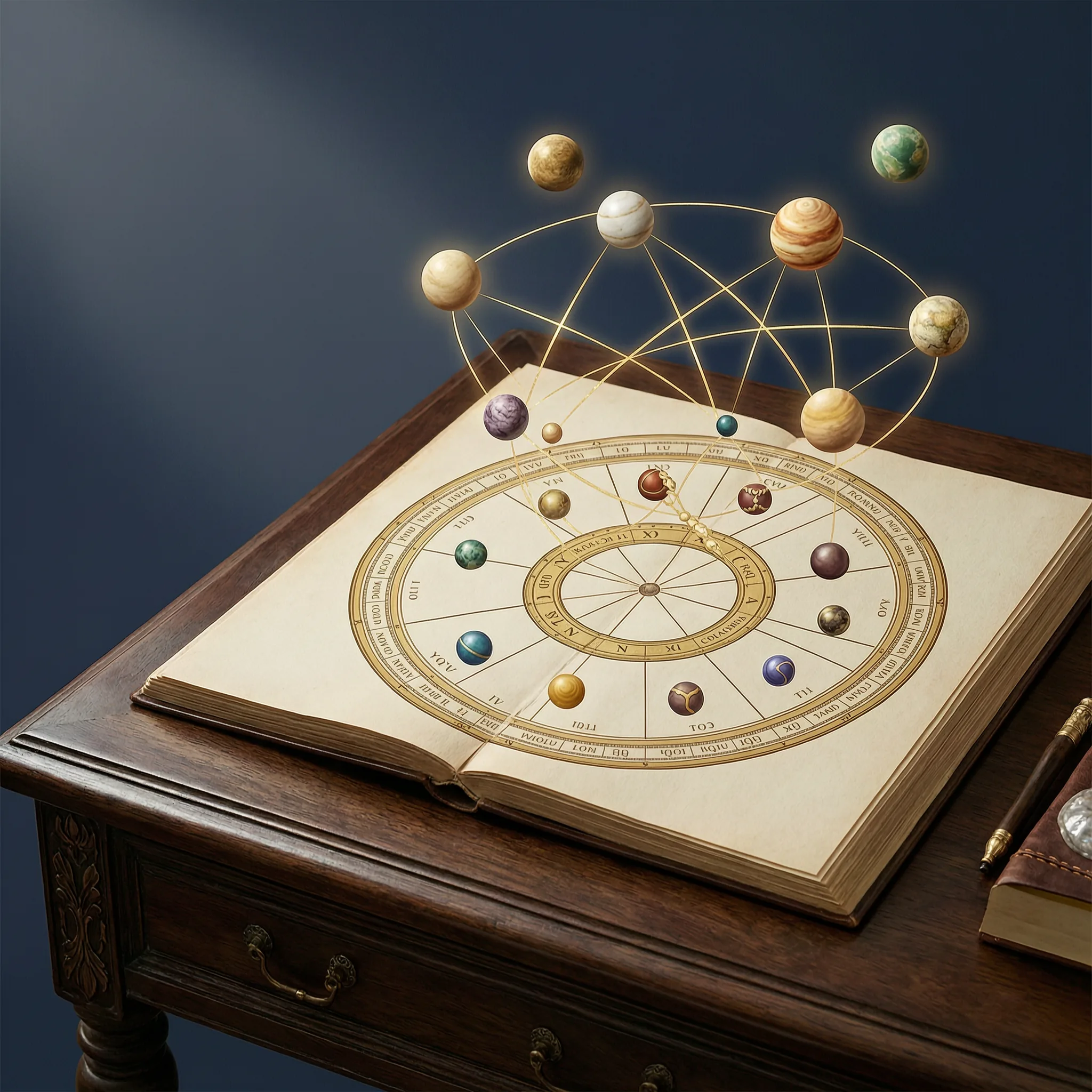
A yoga in Vedic astrology is a specific combination of planets, houses, or signs in a birth chart that is believed to produce a particular life pattern anything from wealth to intelligence to public recognition. It has nothing to do with physical yoga or meditation; the Sanskrit word simply means "union" or "combination," referring to how planetary placements combine to shape a chart's story.
That one-line definition covers the mechanics. The rest of this article covers what actually matters: how yogas form, what they realistically indicate, and why no single yoga writes your future on its own.

Why the Word "Yoga" Confuses Almost Everyone
If you've searched "what is yoga in astrology" expecting something related to asanas or breathing exercises, you're not alone this is one of the most commonly misunderstood terms in the field, purely because of the shared word. Vedic astrology's "yoga" and the physical practice you might do on a mat both trace back to the same Sanskrit root, but they describe completely different things. In astrology, a yoga is a structural pattern in the chart, not a practice you perform.
Once that mix-up is cleared, the concept itself is fairly straightforward: it's a rule of thumb astrologers use to read specific planetary arrangements as meaningful patterns, the same way a chess player recognizes a familiar opening.
How a Yoga Actually Forms in a Kundli
Yogas form through relationships between planets their placement in specific houses, their mutual aspects, or their proximity to each other. A yoga might depend on where the Moon sits relative to Jupiter, which house a chart's ruling planet occupies, or how many planets cluster together in one part of the chart.
Because these combinations depend on exact degrees, house cusps, and planetary strength not just which sign a planet is in two people born on the same day can have very different yogas active in their charts. This is exactly why generic, sign-based horoscopes can't identify a yoga; it requires a full birth chart calculated from your accurate birth time and location.

A Few Well-Known Yogas, in Plain Language
There are hundreds of named yogas in classical texts, but a handful come up constantly in everyday readings:
-
Raja Yoga: Forms when a chart's "power" houses (like the 1st, 4th, 7th, and 10th) connect with its "fortune" houses (5th and 9th). Traditionally associated with authority, status, and life reaching a position of respect.
-
Dhana Yoga: Related to wealth-indicating houses (2nd and 11th) and their planetary lords connecting favorably. Associated with financial stability rather than sudden windfalls.
-
Gajakesari Yoga: Formed when the Moon and Jupiter are positioned in a specific relationship to each other. Traditionally linked with wisdom, good reputation, and steady judgment.
These names sound dramatic, but in practice, an astrologer weighs a yoga's presence alongside dozens of other factors in the same chart never as a single verdict.
Yoga vs Dosha: Not Opposites, Just Different Combinations
A common misconception is that yogas are "good" and doshas are "bad." In reality, both are just categories of planetary combinations yogas are traditionally read as favorable patterns, while doshas (like Mangal Dosha, covered in a separate glossary entry) point to placements that need more careful handling. Most real charts contain a mix of both, and a well-read chart looks at how they interact rather than treating either in isolation.

Does Having a "Good Yoga" Guarantee Anything?
No and this is the part most beginner content skips. Classical texts describe a yoga's traditional significations, but a chart is a web of dozens of interacting factors: planetary strength, house lordships, aspects, and the Dasha period currently active. A promising yoga sitting in a weakened position, or one whose ruling Dasha hasn't yet arrived, won't show up the way it might on paper.
This is exactly why Vedic Shruti avoids fear-based or guarantee-based language around any single placement. A yoga is one input into a much larger reading, not a standalone prediction.
How to Check Which Yogas Are in Your Own Chart
Identifying yogas accurately requires your exact birth date, time, and location not just your Moon sign. If you'd like to see which combinations are active in your own chart, along with the Dasha periods that activate them, generating your free Kundli is the natural next step.
FAQs
What does "yoga" mean in astrology?
In Vedic astrology, a yoga is a specific combination of planets, houses, or aspects in a birth chart, believed to indicate a particular life pattern unrelated to physical yoga or meditation.
Is Raja Yoga rare?
Not especially many charts contain some form of Raja Yoga, but its strength depends heavily on planetary condition and the current Dasha period, so its effect varies widely between charts.
Can a chart have more than one yoga?
Yes. Most birth charts contain several yogas simultaneously, some favorable and some more challenging, and astrologers read them together rather than one at a time.
Does a good yoga mean guaranteed success?
No. A yoga indicates potential and tendency, not certainty.Its expression depends on planetary strength, house placement, and timing through the Dasha system.
How is a yoga different from a dosha?
Both are planetary combinations. Yogas are traditionally read as favorable patterns, while doshas indicate placements needing more careful handling most charts contain a mix of both.
Conclusion
A "yoga" in Vedic astrology has nothing to do with a yoga mat, it's simply a meaningful combination of planets in your chart that classical texts associate with a particular life theme. Like every other placement, its real effect depends on the rest of the chart around it, not on the name alone. Understanding this is the first step toward reading your own Kundli with curiosity instead of guesswork. Curious which yogas are active in your own birth chart? Generate your free Kundli and see your personalized planetary combinations, not a generic Moon-sign guess.